models/gpt-image-1.5-image-to-image
OpenAI · Image to Image
GPT Image 1.5 API

GPT Image 1.5 ist ein Modell von OpenAI zur Bildgenerierung und -bearbeitung, das für steuerbare visuelle Kreation, präzise Bildmodifikation, lesbaren Text im Bild, Mehrfach-Bildreferenzierung, räumliches visuelles Verständnis und konsistente kreative Ergebnisse entwickelt wurde.

Commercial useImage to ImageREST API
Model variant
Pricing
medium quality 4 credits ($0.02) per image, high quality 22 credits ($0.11) per image — ~35–45% below fal pricing. High-tier top-ups (+10% bonus) bring effective pricing down to ~$0.018 per image (medium quality) and ~$0.10 per image (high quality).
README.md

GPT Image 1.5 API für steuerbare Bildgenerierung und -bearbeitung

Generieren Sie präzise visuelle Inhalte, bearbeiten Sie Bilder kontrolliert und erwecken Sie strukturierte kreative Ideen mit der GPT Image 1.5 API auf EMix.ai zum Leben.

Original image

Kernfunktionen der GPT Image 1.5 API für die visuelle Generierung und Bearbeitung

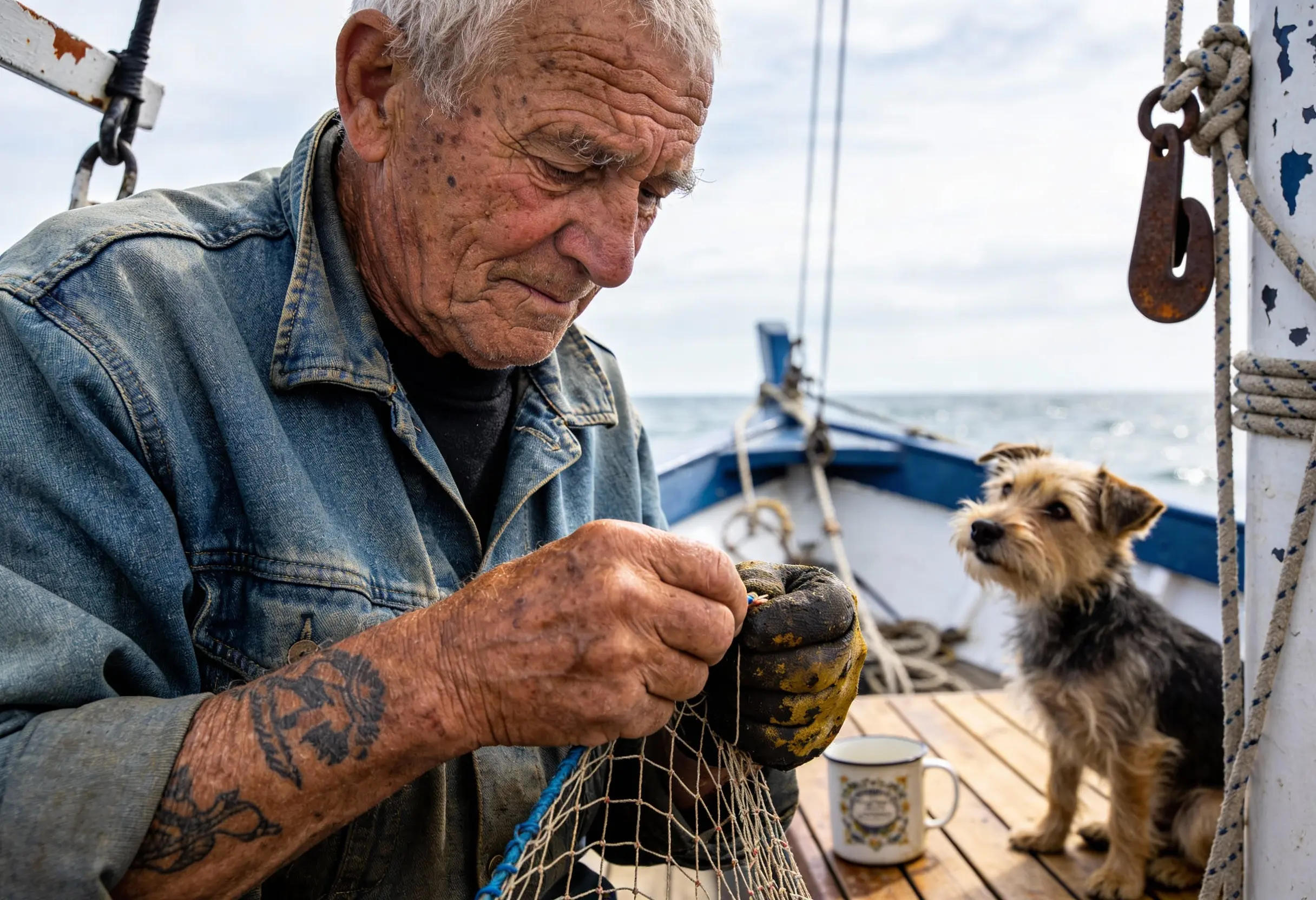
Detailgetreue Bildgenerierung mit der GPT Image 1.5 API

Detailgetreue Bildgenerierung mit der GPT Image 1.5 API

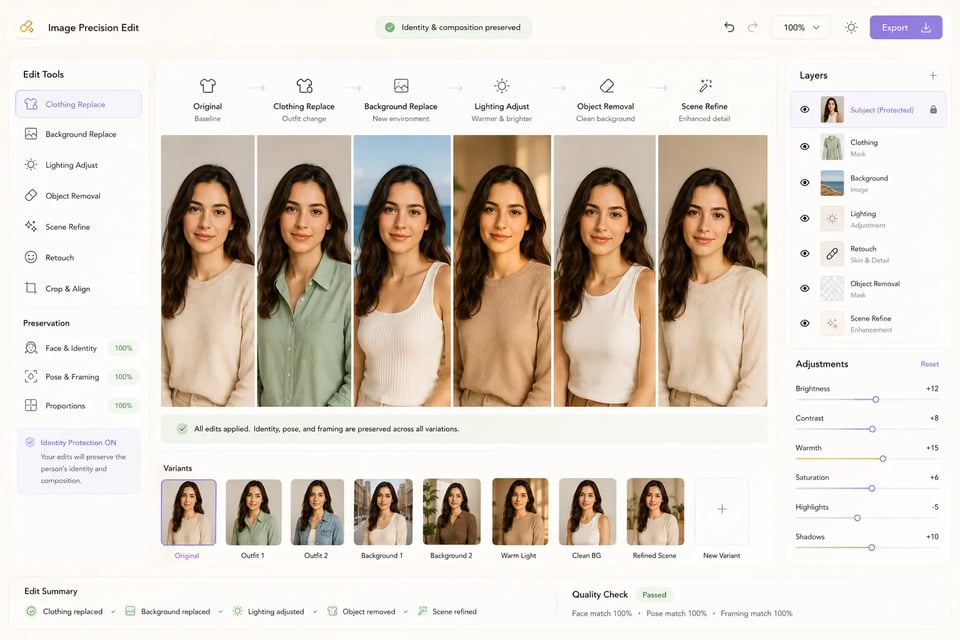
Präzise Bildbearbeitung durch die OpenAI GPT Image 1.5 API

Präzise Bildbearbeitung durch die OpenAI GPT Image 1.5 API

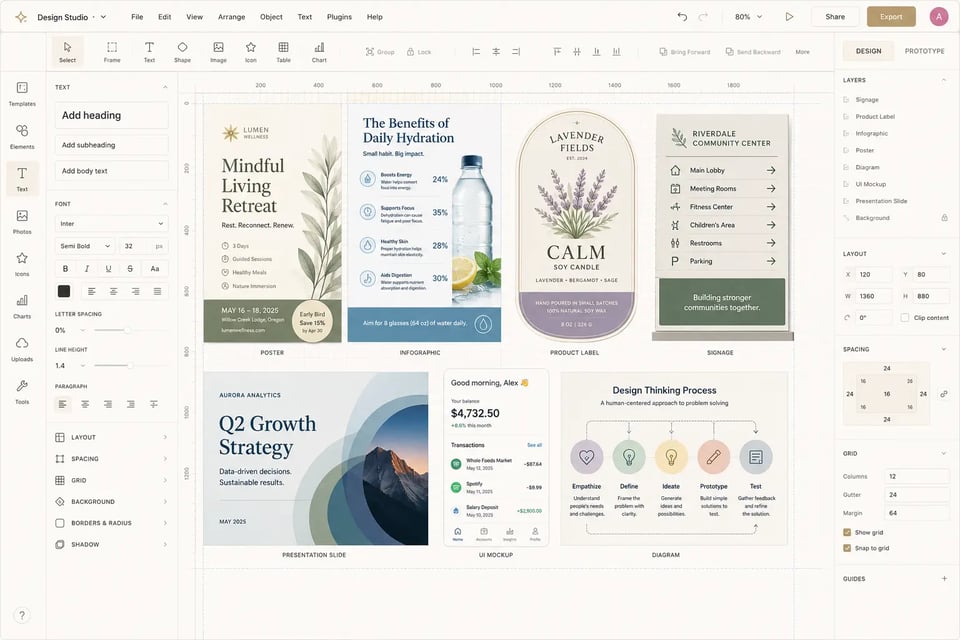
Textdarstellung und strukturierte Layouts mit der gpt-image-1.5 API

Textdarstellung und strukturierte Layouts mit der gpt-image-1.5 API

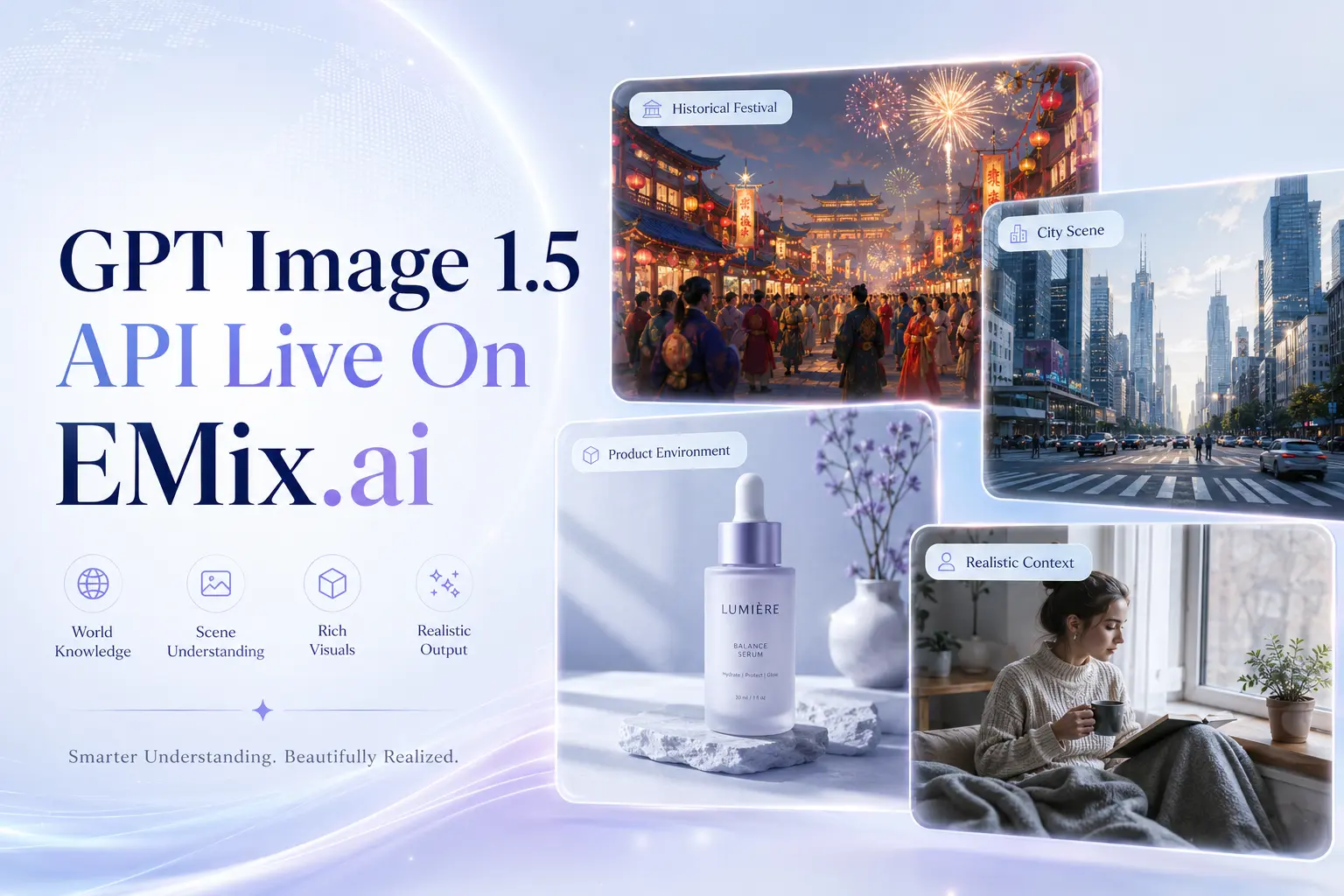
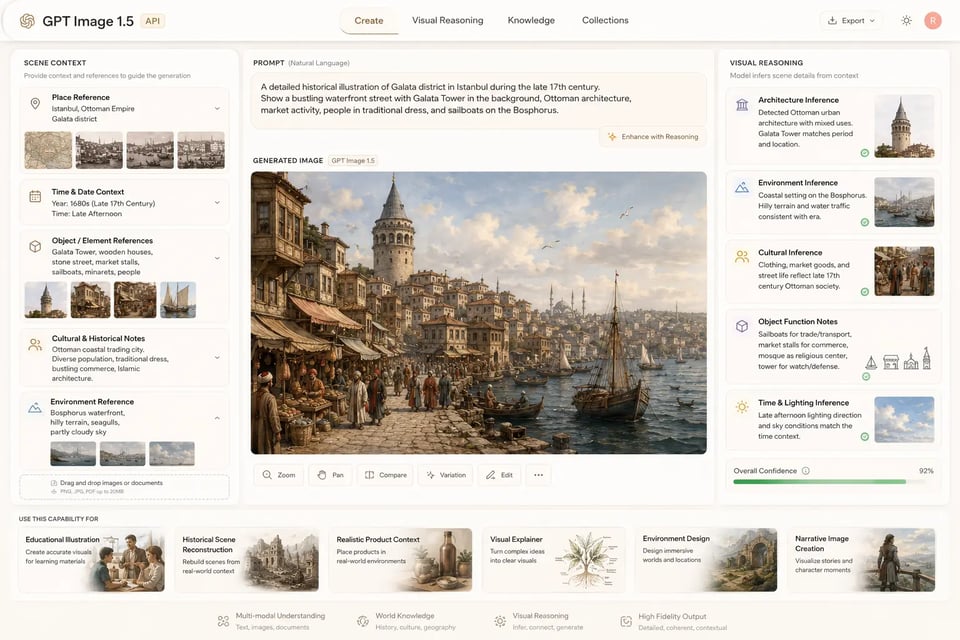
Weltwissen und visuelles Verständnis in der ChatGPT Image 1.5 API

Weltwissen und visuelles Verständnis in der ChatGPT Image 1.5 API

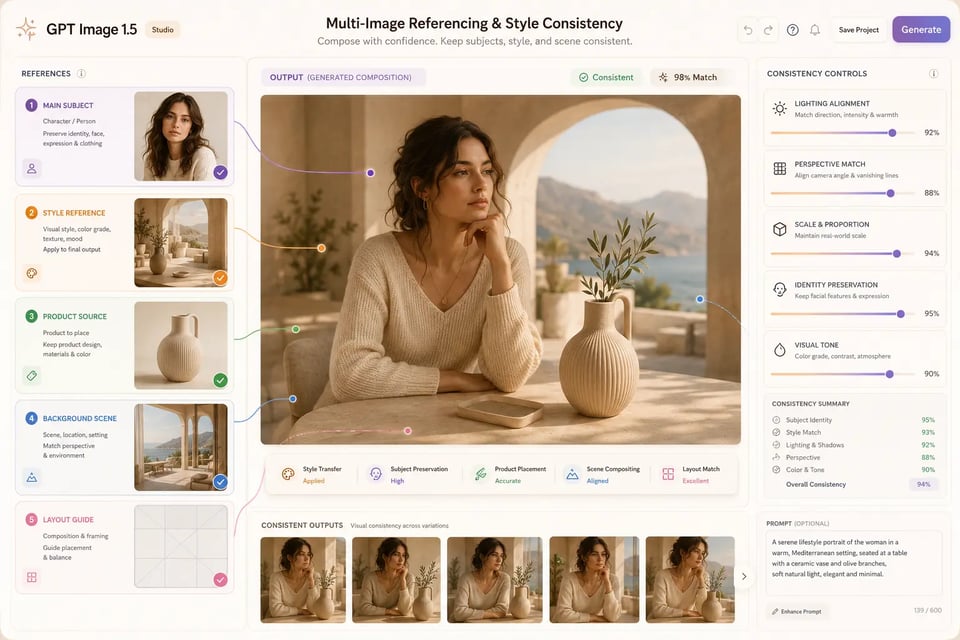
Multi-Bild-Referenzierung und Stilkonsistenz mit der GPT Image 1.5 API

Multi-Bild-Referenzierung und Stilkonsistenz mit der GPT Image 1.5 API

GPT Image 1.5 API vs. Nano Banana Pro, Midjourney v7 und FLUX.2 bei der Bildgenerierung und -bearbeitung

Verschiedene Bildmodelle sind für unterschiedliche visuelle Anforderungen gemacht. Die GPT Image 1.5 API fokussiert sich auf steuerbare Generierung, präzise Bearbeitung, klare Textdarstellung, kontextbezogenes Prompting und die Komposition mehrerer Bilder. Nano Banana Pro punktet bei hochglänzenden, fotorealistischen Ergebnissen, Midjourney v7 ist bekannt für seine künstlerische Ausrichtung und ausdrucksstarkes visuelles Experimentieren, während FLUX.2 technischen Teams mehr Flexibilität bei Anpassung und Deployment bietet. Die folgende Tabelle vergleicht diese Modelle anhand der wichtigsten Faktoren für Produktbilder, Marketing-Assets, E-Commerce-Inhalte, UI-Mockups, Lehrgrafiken und die kreative Produktion.

VergleichsbereichGPT Image 1.5 APINano Banana ProMidjourney v7FLUX.2
VendorOpenAIGoogleMidjourneyBlack Forest Labs
Best fitControlled image generation and precise editing for structured creative tasksPhotorealistic image generation with polished lighting and refined detailsArtistic image creation with strong mood, composition, and visual styleOpen-weight image generation with customization and deployment flexibility
Core strengthStrong instruction following, editing precision, text rendering, world knowledge, and multi-image controlRealistic scenes, natural lighting, product shots, portraits, and high-end visual finishExpressive aesthetics, dramatic compositions, fantasy visuals, mood boards, and concept artCustom styles, fine-tuning, private deployment, and model-level flexibility
Editing controlStrong for targeted edits that preserve identity, layout, lighting, product structure, and compositionUseful for realistic image adjustments where visual polish mattersLess focused on exact preservation or step-by-step production editsDepends on model setup, editing pipeline, and supporting tools
Text renderingBetter suited for posters, UI mockups, labels, infographics, signage, and structured visuals with readable textCan support designed visuals, but exact wording and dense text may require more reviewUsually weaker for exact text and production-ready typographyText quality depends heavily on configuration and workflow design
World knowledgeCan infer visual context from places, dates, events, object functions, product usage, and real-world scenariosStrong for realistic visual grounding and polished scene constructionMore focused on aesthetic interpretation than factual or contextual reasoningDepends on model variant, prompting strategy, and connected tooling
PhotorealismStrong realism with more control over prompt details, layout, and editsEspecially strong for realistic lighting, surfaces, portraits, products, and cinematic scenesCan create cinematic realism, often with a more stylized finishCan be strong with the right setup, but may require tuning
Artistic directionUseful for controlled styles, branded visuals, and consistent creative systemsGood for polished commercial imagery and realistic campaign visualsStrongest for dramatic style, surreal concepts, expressive composition, and visual explorationStrong when teams need custom-trained aesthetics or specialized styles
Multi-image useSuitable for compositing, style references, product placement, character continuity, and visual localizationUseful for reference-based realistic outputs and product-style scenesStrong for inspiration and visual style exploration, weaker for exact preservationFlexible, but implementation depends on the surrounding pipeline
Production fitEcommerce visuals, UI mockups, infographics, virtual try-on, localization, product edits, and creative toolsProduct scenes, lifestyle imagery, realistic marketing assets, and campaign visualsConcept art, brand mood exploration, posters, visual ideation, and expressive creative directionPrivate deployments, custom pipelines, fine-tuned styles, and specialized visual systems

GPT Image 1.5 API vom Playground in die Produktion auf EMix.ai bereitstellen

  • Schritt 1: Registrieren und GPT Image 1.5 API-Key abrufen

  • Schritt 2: GPT Image 1.5 API im Playground testen

  • Schritt 3: GPT Image 1.5 API-Requests für das Deployment erstellen

  • Schritt 4: GPT Image 1.5 API in deine Anwendung integrieren

  • Schritt 5: GPT Image 1.5 API-Ergebnisse in der Produktion überwachen

Erstellen Sie Produktvisualisierungen, Marketing-Assets und Story-Bilder mit der OpenAI GPT Image 1.5 API

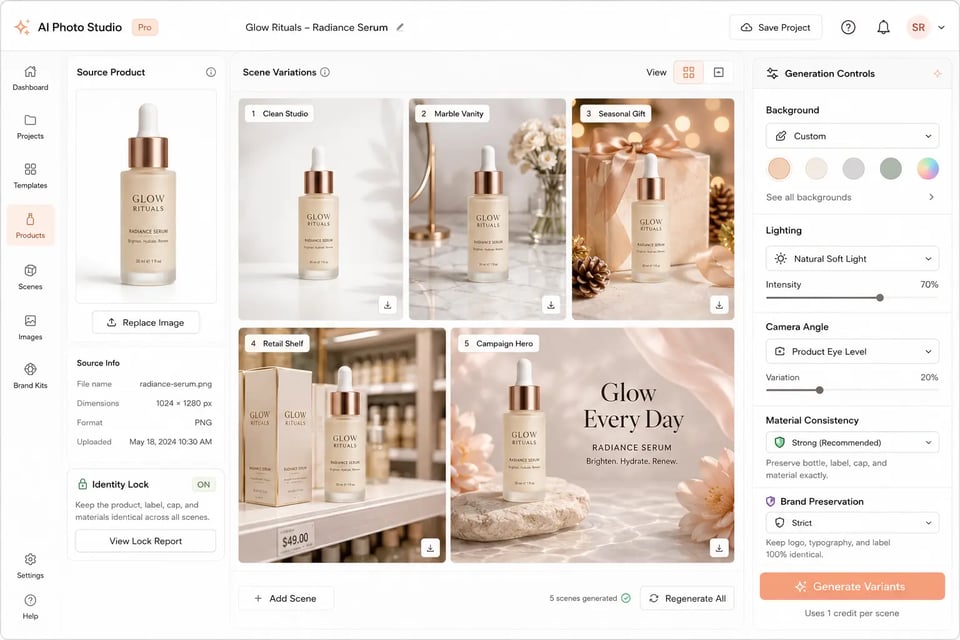
KI-Produktfoto-Generator mit GPT Image 1.5 API

KI-Produktfoto-Generator mit GPT Image 1.5 API

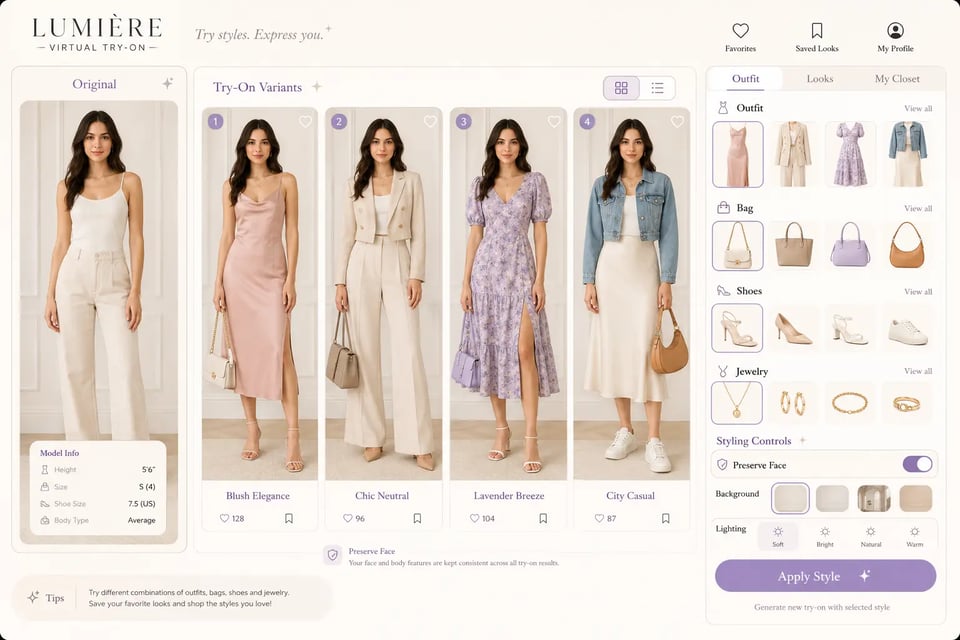
Virtual-Try-On-Funktion mit der OpenAI GPT Image 1.5 API

Virtual-Try-On-Funktion mit der OpenAI GPT Image 1.5 API

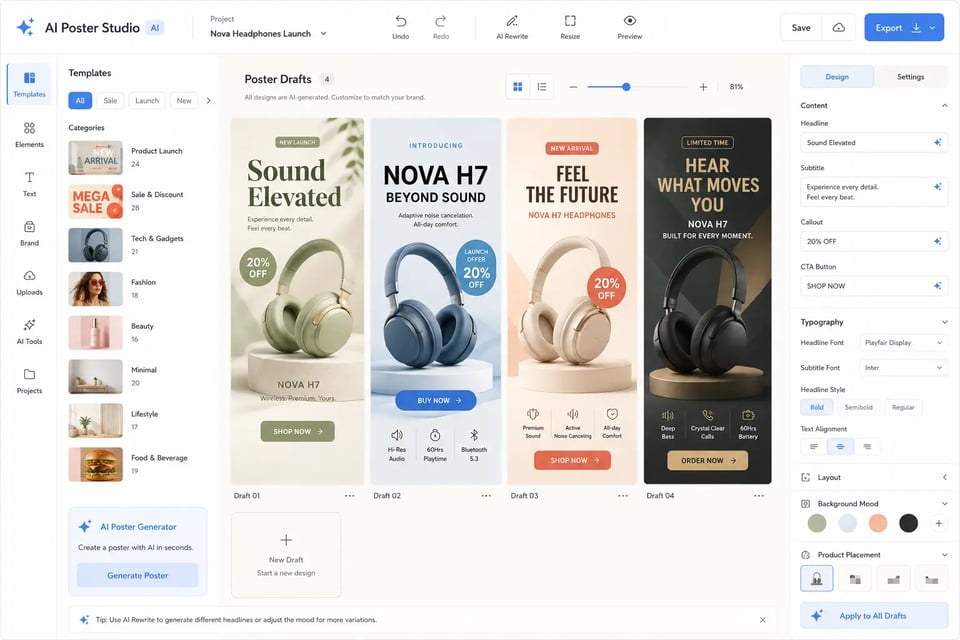
KI-Poster-Generator basierend auf der gpt-image-1.5 API

KI-Poster-Generator basierend auf der gpt-image-1.5 API

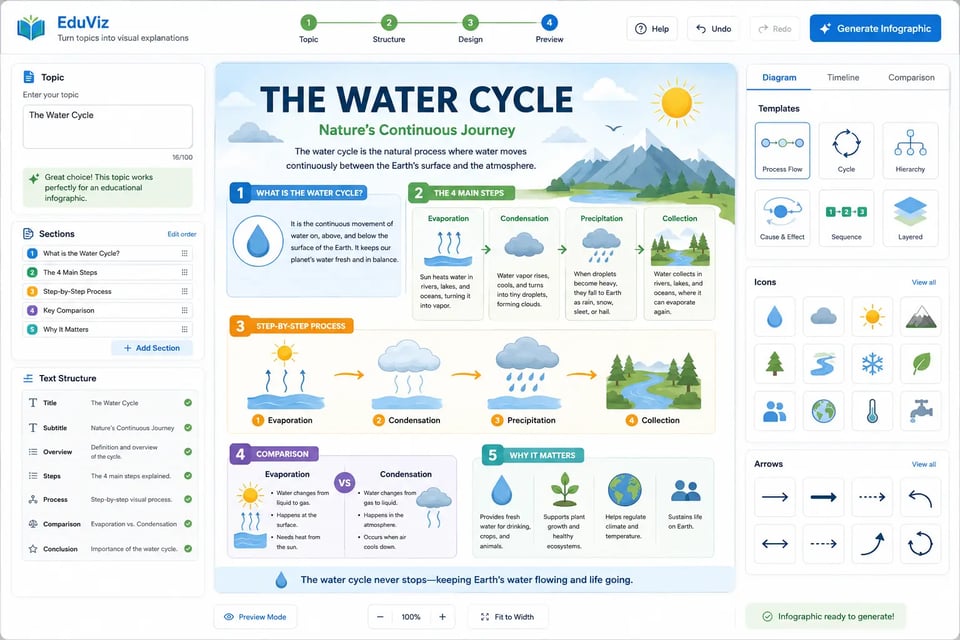
Workflow zur Infografik-Generierung mit der ChatGPT Image 1.5 API

Workflow zur Infografik-Generierung mit der ChatGPT Image 1.5 API

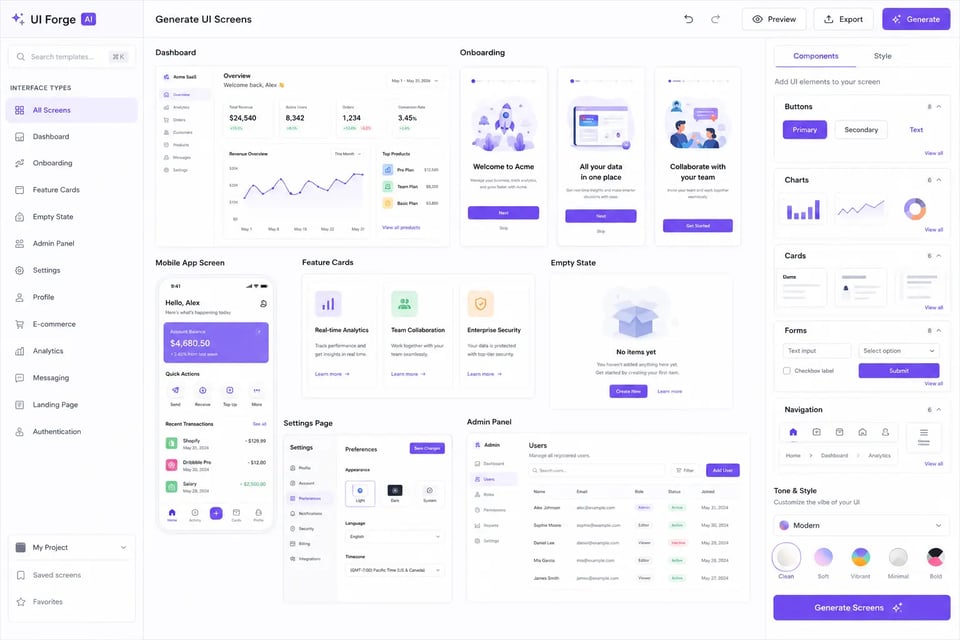
Generierung von UI-Mockups für Produkt-Screens

Generierung von UI-Mockups für Produkt-Screens

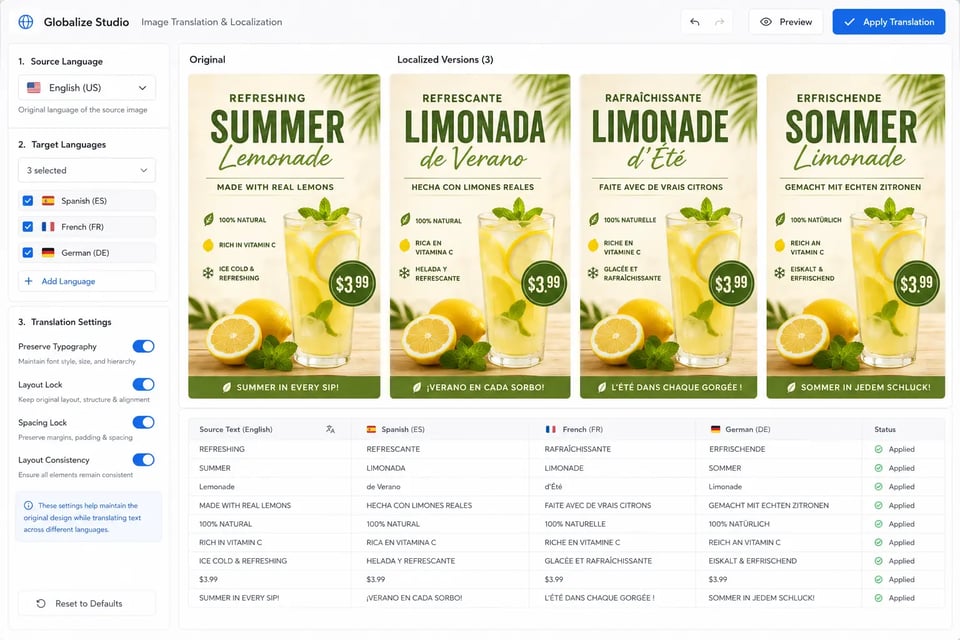
Bildübersetzung und Lokalisierung mit der OpenAI GPT Image 1.5 API

Bildübersetzung und Lokalisierung mit der OpenAI GPT Image 1.5 API

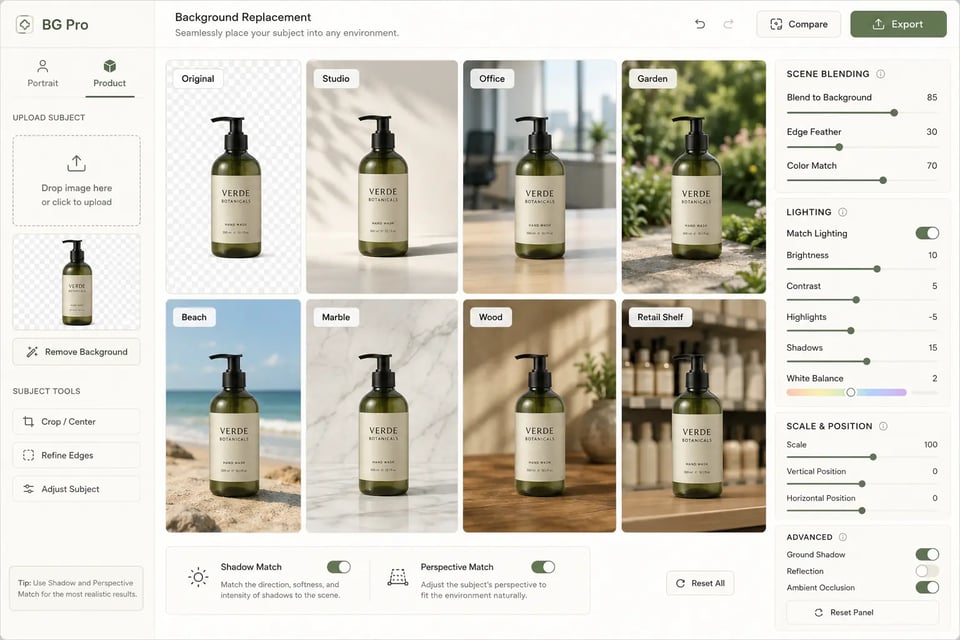
Editor zum Austauschen von Hintergründen mit der gpt-image-1.5 API

Editor zum Austauschen von Hintergründen mit der gpt-image-1.5 API

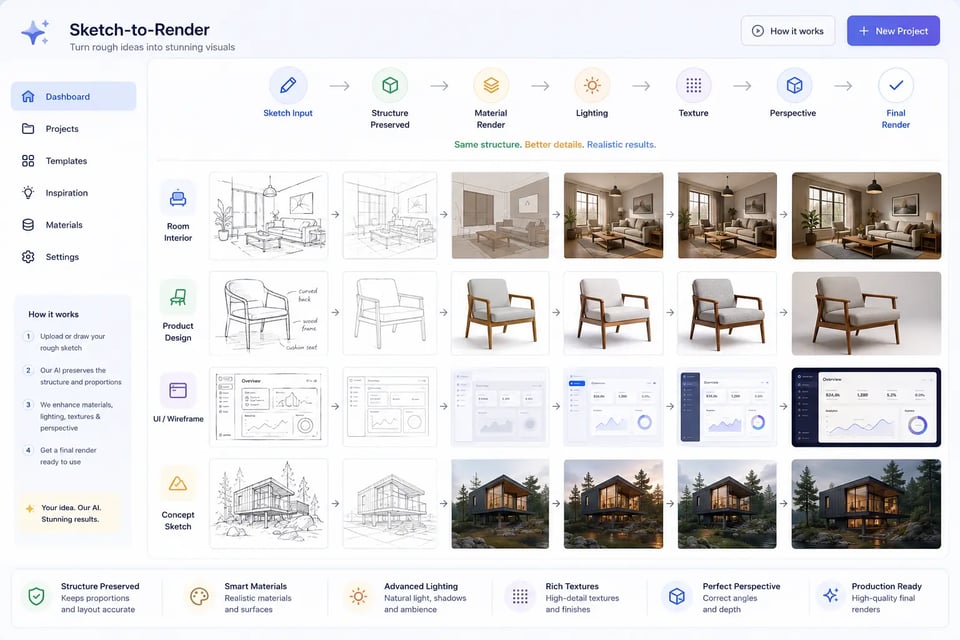
Von der Skizze zum Rendering mit der ChatGPT Image 1.5 API

Von der Skizze zum Rendering mit der ChatGPT Image 1.5 API

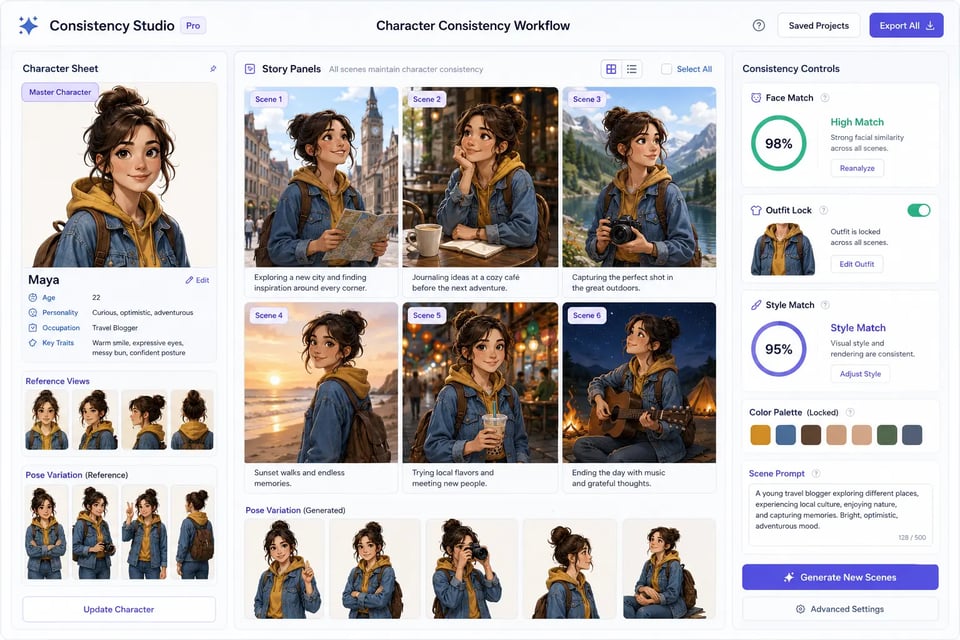
Workflow für konsistente Charaktere mit der GPT Image 1.5 API

Workflow für konsistente Charaktere mit der GPT Image 1.5 API

Warum EMix.ai die bessere Wahl für die GPT Image 1.5 API ist

Kosteneffizientes Pricing für die GPT Image 1.5 API auf EMix.ai

EMix.ai makes GPT Image 1.5 API more practical for teams that need frequent prompt testing, image editing trials, reference-image experiments, and production usage. Developers can use a credit-based system to compare prompts, quality settings, editing tasks, and output needs before scaling. This helps teams keep GPT Image 1.5 API experimentation flexible while making usage easier to review and control.

Testen Sie die GPT Image 1.5 API im Playground vor der Integration

Before writing production code, developers can test GPT Image 1.5 API directly in the EMix.ai Playground. Text-to-image prompts, image editing instructions, reference images, text rendering tasks, quality settings, and output behavior can be reviewed in a visual testing space. This makes it easier to refine prompts, compare results, and decide which settings should move into the final API integration.

Bauen Sie auf die umfassende GPT Image 1.5 API-Dokumentation

Complete GPT Image 1.5 API documentation on EMix.ai helps developers understand authentication, request structure, model configuration, input requirements, response fields, task behavior, result retrieval, and integration notes. Instead of relying on trial and error, teams can follow a clearer implementation path from API key setup to production deployment. Before launch, developers should check the latest API docs to confirm current parameters and supported options.

Sichern Sie sich 24/7-Service für die Integration der GPT Image 1.5 API

EMix.ai provides 24/7 service for developers working with GPT Image 1.5 API integration. Teams can get help with API access, Playground testing, request setup, image input handling, result retrieval, error responses, and production usage questions. This support is useful when moving from early testing to real image features such as product photo generation, visual localization, background editing, poster creation, and UI mockup generation.

FAQs zur GPT Image 1.5 API